
Here's a scenario I see too often. Emitters clogging up. Tomatoes wilting in the field. A panic call to the equipment supplier, markup pricing on emergency orders, and then standing in muddy conditions wondering how everything went sideways so fast.
Filter failure. And the funny thing? It's almost always preventable.
The maintenance isn't complicated. Most of it takes minutes, not hours. The trick is actually doing it consistently instead of waiting until something fails catastrophically.
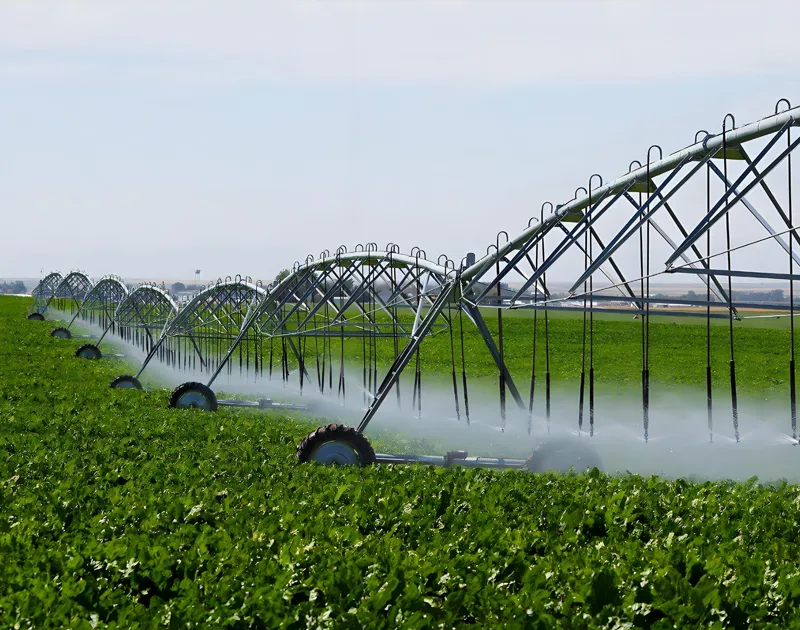
When a filter clogs, water flow drops. Your plants don't get what they need—game over for that cycle at minimum. Your pump compensates by working harder, which burns more electricity and wears out the motor faster. And once particles punch through a compromised filter, they reach your emitters. Emitter clogging is a nightmare to fix. Sometimes you replace the whole line.
Beyond the operational headaches, neglected filters create other problems. Standing water breeds bacteria. In food production, that's not theoretical—it can shut down your operation. And a filter housing that ruptures under pressure makes a mess nobody wants to deal with.
I'm not suggesting you run full diagnostics every morning. But glance at a couple of things. Seriously, thirty seconds.
Watch the pressure gauge during your first irrigation cycle of the day. Where does it sit when water's running clean? If readings climb higher than yesterday, something's building up in the filter. A 5-10 PSI jump warrants attention. 15+ PSI? Time to clean.
Listen too. Strange sounds—humming, gurgling, air hissing into the system—often signal partial blockages or air entrainment. Sometimes you catch this before it shows on the gauge.
Manual filters? Build a simple routine. Open the housing, pull the element, hose it down, check the seals, reassemble. Five minutes, max. Pick a specific day and time so it becomes automatic.
Once a week, spend more than thirty seconds. This matters especially during high-demand periods or when you're running questionable source water.
Test your automatic backwash cycle if you have one. Watch it run through completely. Does it start when it should? Does the drain flow freely? Any hesitation or incomplete flushes signal problems that'll get worse.
Inspect the housing. Look for cracks, bulges, deformation. UV damage shows up as discoloration and surface breakdown on polymer housings. If it looks stressed, it probably is stressed.
Pressure gauges lie sometimes. Or they wear out. Compare readings against a known-good reference gauge, or just swap it out if you're unsure. Same with sensors and alarms—if your monitoring isn't accurate, it's not monitoring anything.
Running fertilizers or chemicals through your irrigation system? Pay extra attention after those applications. Chemical residues speed up filter wear and encourage biological growth. Your cleaning interval might need to shrink during these periods.
The best time for thorough filter work is when you're between growing seasons. Spring startup and fall shutdown let you work without disrupting active irrigation.
Before the season kicks off, inspect everything that sat idle through winter. Check mounting hardware for looseness. Verify wiring is intact with no corrosion on connections. Tighten, clean, treat as needed.
Replace borderline filter elements. "Borderline" at shutdown means definitely worse by spring. Stock spare elements before the season gets busy—nothing kills momentum like pausing planting to wait on a shipping order.
When priming the system, go slow. Bring pressure up gradually and watch for weeping at seals. Any leak means O-ring replacement. Set your baseline pressure reading now so you have a benchmark for the entire season.
This is where things go wrong. Operators skip steps, save time, tell themselves they'll handle it in spring. Then spring arrives and they've got cracked housings, destroyed seals, and expensive repairs.
Don't be that operator.
Shut down and relieve pressure throughout the system. Drain every housing, every pipe, every low point where water might sit. Trapped water expands when it freezes. Ice goes somewhere. Usually through something expensive.
Remove filter elements and store them somewhere climate-controlled. UV and temperature extremes degrade polymer materials even when they're not in use. Clean elements thoroughly first—organic matter left sitting through winter becomes a biological nightmare.
Lubricate seals before reassembling. New seals benefit from a light silicone coating before sitting idle for months. Regions with serious winters? Consider pulling entire filter assemblies inside.
Sometimes despite your best efforts, issues develop. Here's how to work through the common ones.
Pressure climbs even after backwashing. Either the elements are shot, installed incorrectly, or your system exceeds its designed flow rate. Pull the elements and inspect physically. If damaged, replace. If they look okay, verify you're using the right micron rating and nothing's blocking the inlet.
Backwash won't cycle automatically. Clogged drain lines usually cause this. Failed solenoid valves come second. Programming errors third. Trace the drain path and clear blockages. Check controller settings against manufacturer specs. Replace valves that don't open fully.
Green, brown, or black buildup accumulating. Biological contamination. It happens when warmth, organic matter, and light combine. Shock chlorination handles most cases. Severe buildup might need element replacement plus full system flushing. Prevention: maintain chlorine levels in treated water, use opaque housings, drain completely during shutdowns.
Physical element damage. Cracks, warping, tears—all compromise filtration. Figure out why it happened before swapping in a replacement. Chemical attack? Pressure spike? Installation error? Fix the root cause or you'll be replacing elements on a regular schedule.
When you need new components, match the specs exactly. Micron rating, dimensions, material—all matter. Generic parts save money upfront but often fit poorly and fail faster. The short-term savings disappear when you're replacing them twice as often.
Keep consumables in stock. Seals, O-rings, filter elements. Running a critical system without spare elements on hand is just asking for trouble when something fails during peak season.
Been replacing elements too often? Consider upgrading the material. Nylon might make sense where you've been burning through polypropylene. Worth having that conversation with your supplier.
CDFS Filter stocks replacement elements for their own products and builds to OEM specifications for other brands. Twenty-plus years in the business means they know what works.
Maintenance isn't exciting. Nobody posts pictures of their filter inspection routine on social media. But the operators who treat filter maintenance as non-negotiable—rather than a task for when there's spare time—consistently run into fewer crises, lower operating costs, and generally sleep better at night.
CDFS Filter has been in filtration for over two decades. Their manufacturing scale keeps quality consistent and prices reasonable. Their technical team knows irrigation from practical experience, not just from brochures.
Put in the time now. Your system will pay you back when it runs reliably through the season instead of failing when you need it most.
Pressure climbs but drops after backwashing? Cleaning's probably enough. Pressure stays high even after cleaning? Elements are either clogged beyond recovery or physically damaged. Pull them and look. Cracks, warping, permanent deformation, won't come clean even with effort—those need replacing.
Plain water and a soft brush first. Harsh chemicals damage filter media and might void warranties. Biological growth responds well to diluted chlorine—just rinse thoroughly afterward. Mineral deposits sometimes respond to white vinegar, but test a small area first. Check manufacturer recommendations when unsure.
A few things work together: maintain residual chlorine in treated water if possible, drain completely during shutdowns, keep elements clean and dry, use opaque housings that block light, and periodically shock chlorinate. If growth keeps returning despite these measures, look for underlying problems—stagnant water pockets, organic matter entering upstream.
Drain everything completely. I mean it. Water trapped in low points freezes, expands, and cracks housings and seals. Remove elements and store them somewhere warm. Lubricate all seals. If possible, move filter assemblies inside. Before spring startup, inspect carefully for freeze damage and replace anything that looks cracked or deformed.
Some mild cleaners are okay for specific situations. Harsh chemicals usually aren't. Plain water handles most scenarios. For biological problems, diluted chlorine is the standard approach—just don't let it sit in the filter for extended periods. For mineral scale, vinegar might help, but follow manufacturer guidance. Avoid solvents unless specifically recommended. When unsure, remove the elements and clean the housing separately.



 EN
EN
 FR
FR
 NL
NL
 RU
RU
 AR
AR
 VI
VI
 LO
LO
 RO
RO
 TH
TH
 MY
MY
 MS
MS
 PT
PT
 ES
ES
 KO
KO
 BE
BE
 JA
JA
 FIL
FIL
 KA
KA
 DE
DE
 IT
IT

