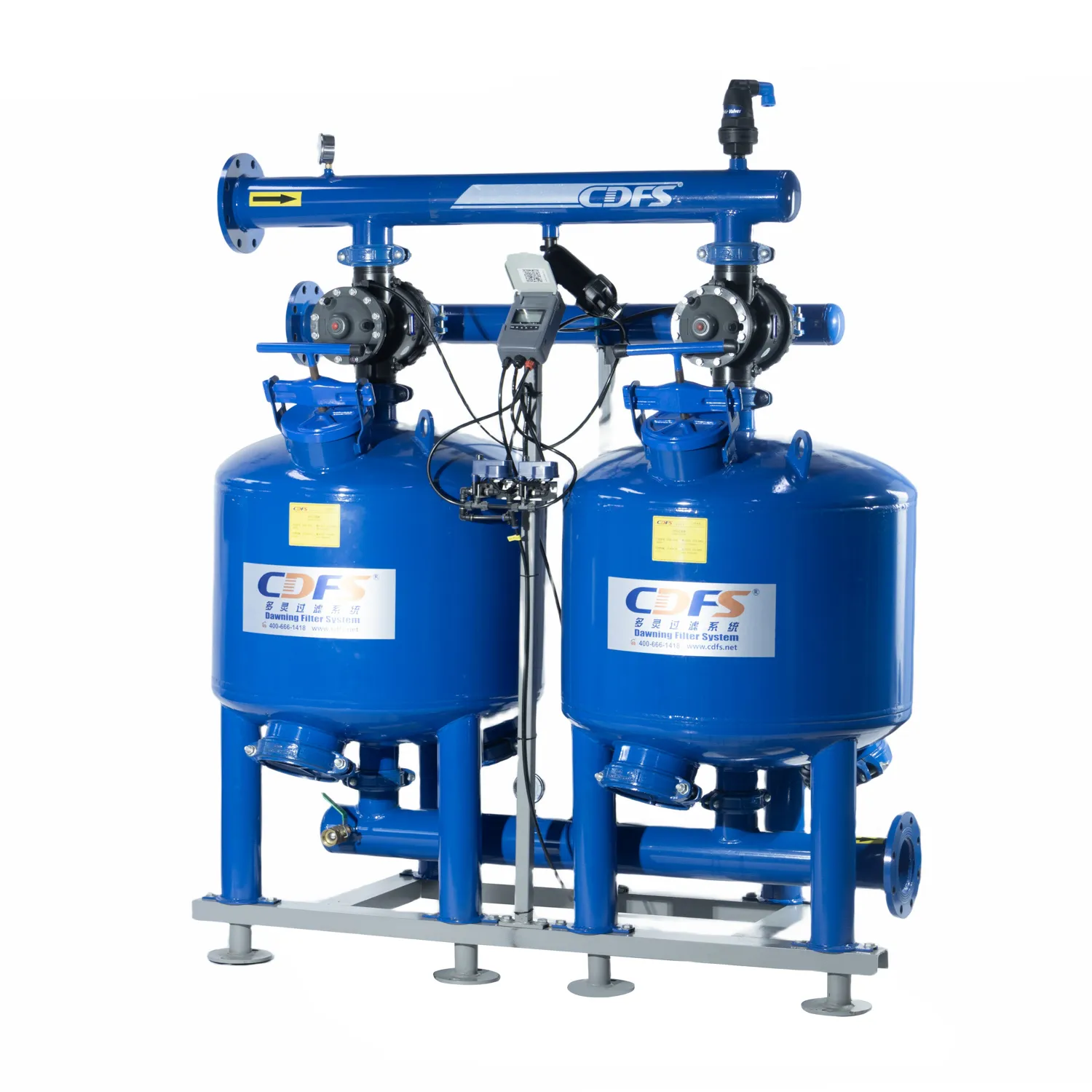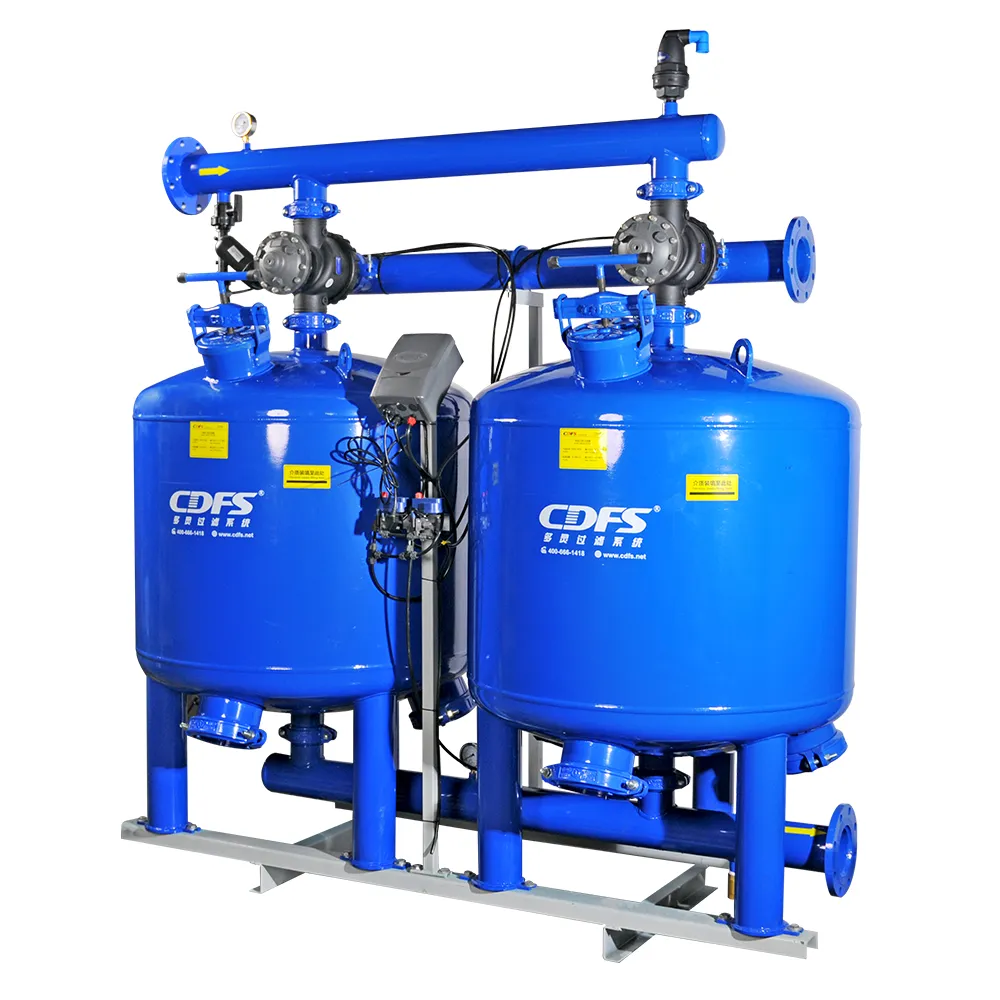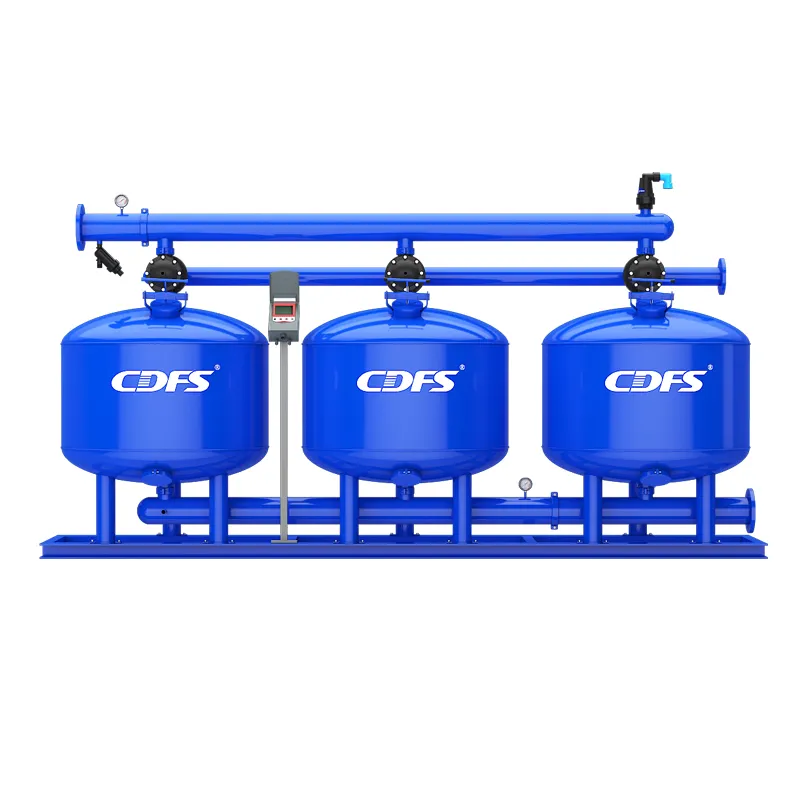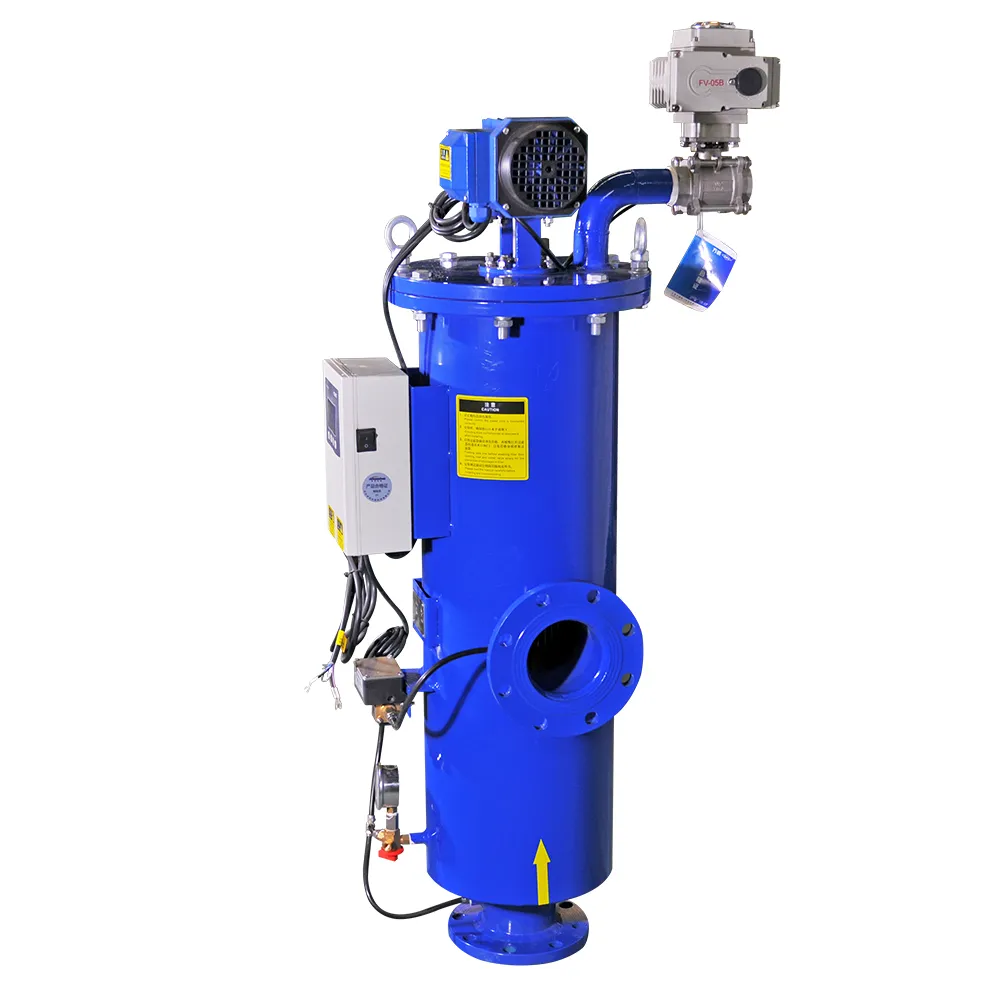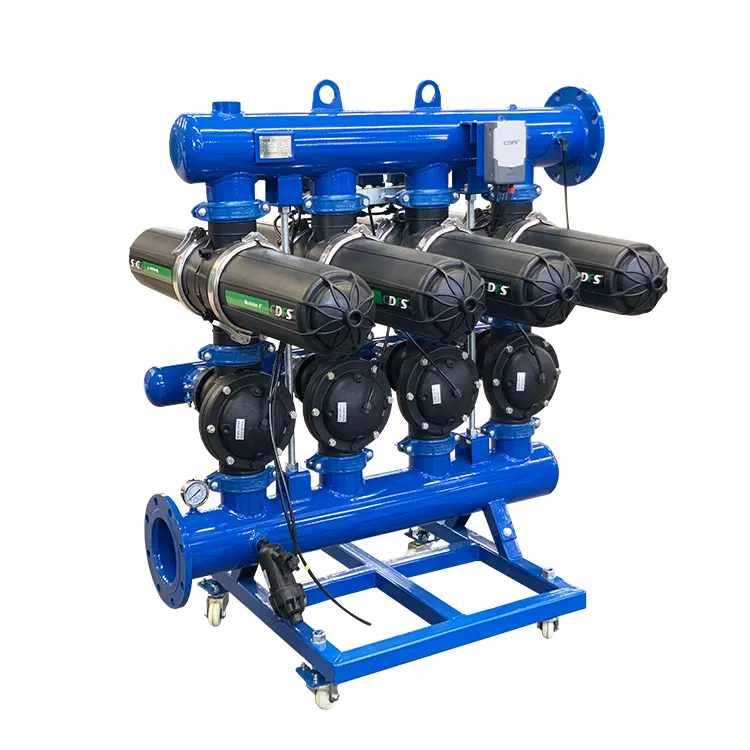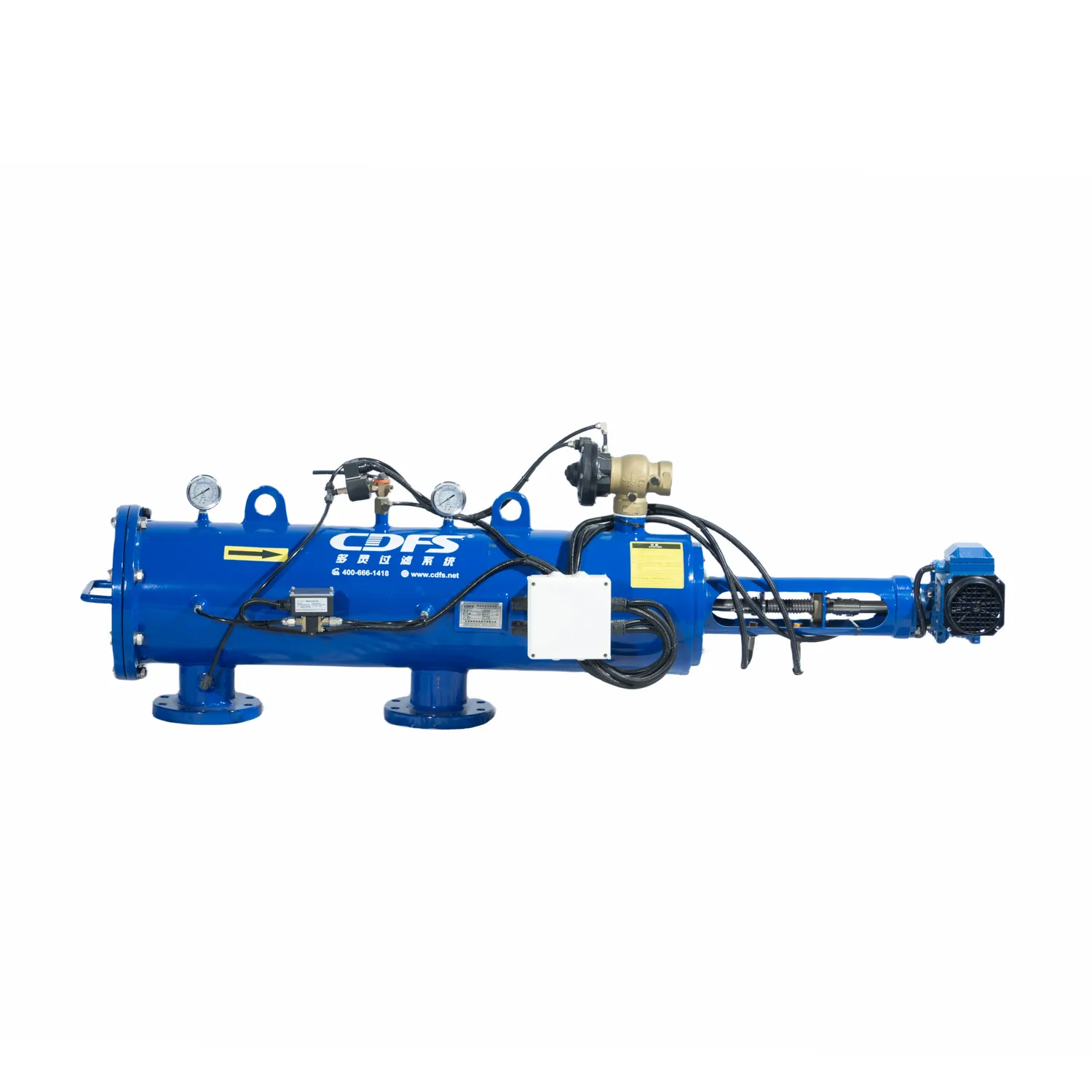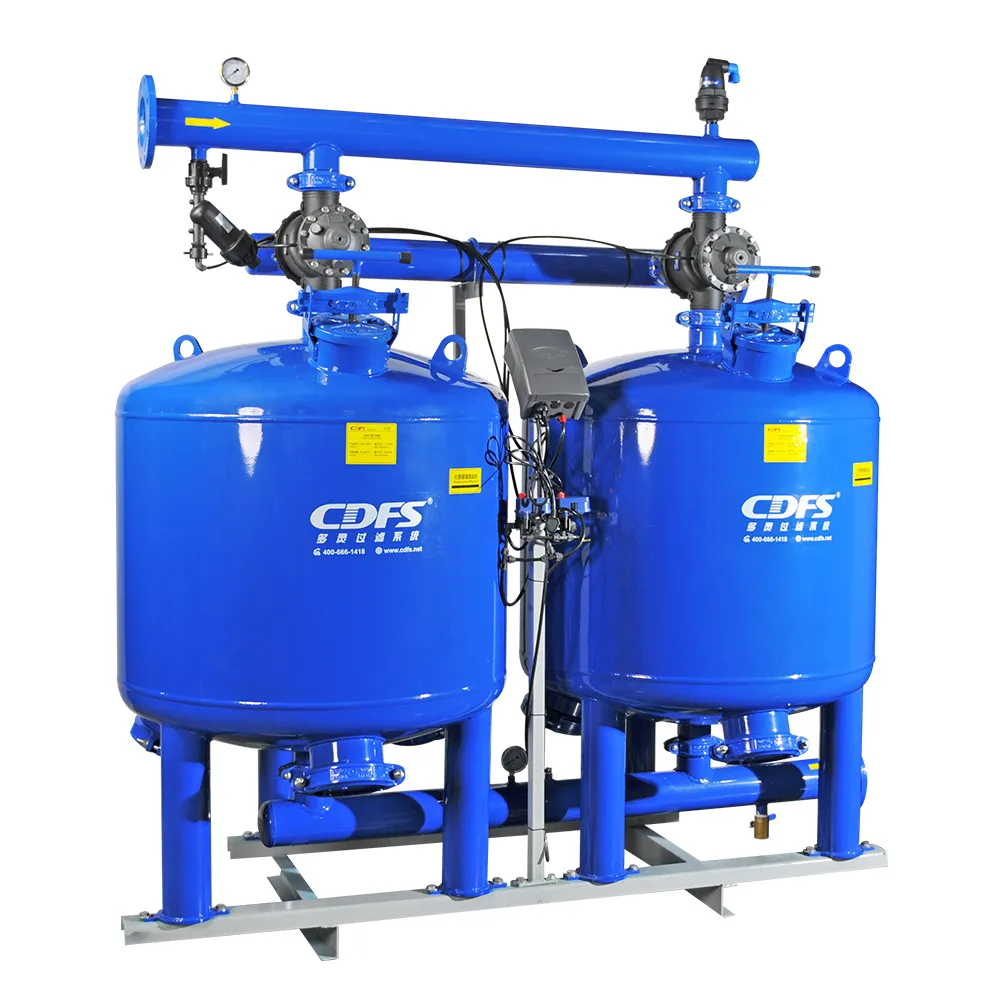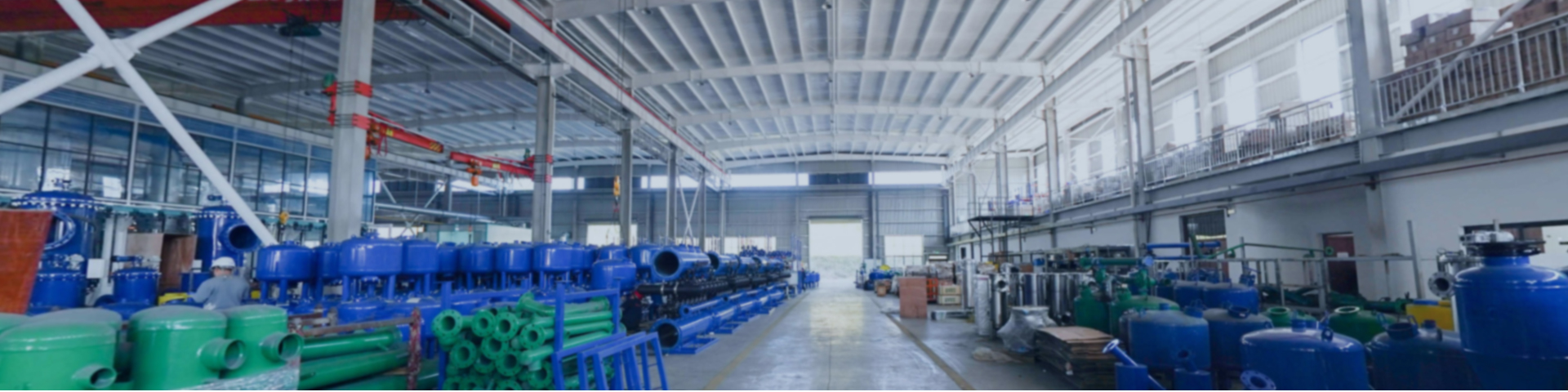
From small garden plots to large-scale commercial farms, irrigation water purifier provide scalable filtration solutions that match the demands of modern agriculture. Their performance consistency, adaptability, and protective functions make them indispensable tools for any irrigation setup, helping growers achieve dependable and sustainable crop production.
The modular design of irrigation water purifier allows for easy installation and integration into existing irrigation networks with minimal disruption. Standardized connections and user-friendly maintenance access make it simple for operators to inspect, clean, or replace filter elements, ensuring the irrigation system remains operational during critical crop growth stages without extended downtime.
Q: What is the primary function of a irrigation filter? A: The main function of a irrigation filter is to remove debris, sand, silt, and other particles from irrigation water, ensuring clean water is delivered to crops or landscapes. This protects irrigation equipment and improves water distribution efficiency. Q: What types of contaminants can a irrigation filter remove? A: A irrigation filter can effectively filter out suspended solids such as organic matter, algae, sediment, and other particles that can clog irrigation systems and reduce their performance over time. Q: How often should a irrigation filter be cleaned or maintained? A: Maintenance depends on water quality and system usage, but generally, a irrigation filter should be inspected and cleaned regularly, with backwashing or manual flushing performed to maintain optimal filtration efficiency. Q: Are there different types of irrigation filter for different irrigation systems? A: Yes, there are various irrigation filter types such as screen filters, disc filters, and media filters, each suitable for different irrigation setups including drip, sprinkler, and pivot systems depending on the level of filtration needed. Q: Can a irrigation filter improve the lifespan of irrigation equipment? A: Absolutely. By filtering out harmful debris and particles, a irrigation filter reduces wear and tear on valves, emitters, and pipes, extending the service life of the entire irrigation system.
The stacked discs provide very precise filtration, which has noticeably improved our water quality. Our irrigation system runs smoother and equipment lasts longer.
Water flow is consistent even in dusty environments. This filter has proven to be reliable and long-lasting under tough irrigation conditions.
To protect the privacy of our buyers, only public service email domains like Gmail, Yahoo, and MSN will be displayed. Additionally, only a limited portion of the inquiry content will be shown.
Looking for an irrigation filter that can handle high sand content without clogging. What’s the re...
Does the automatic disc filter support multi-stage filtration? We need to protect sensitive equipmen...



 EN
EN
 FR
FR
 NL
NL
 RU
RU
 AR
AR
 VI
VI
 LO
LO
 RO
RO
 TH
TH
 MY
MY
 MS
MS
 PT
PT
 ES
ES
 KO
KO
 BE
BE
 JA
JA
 FIL
FIL
 KA
KA
 DE
DE
 IT
IT