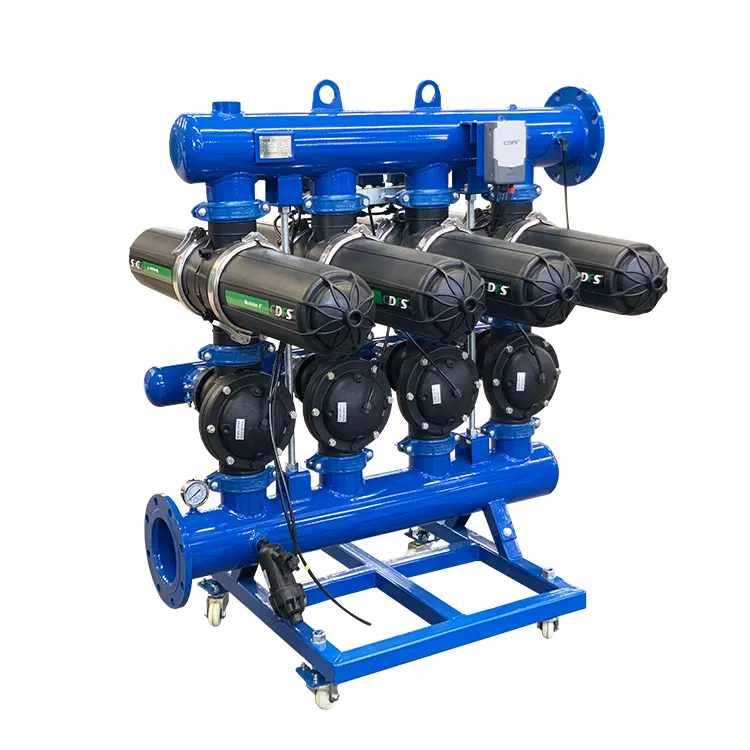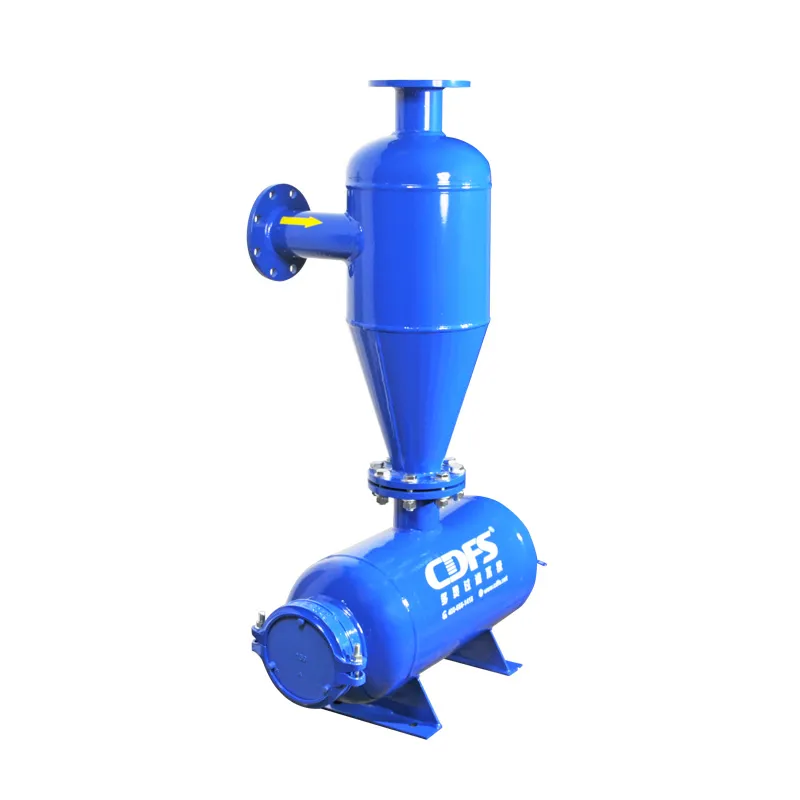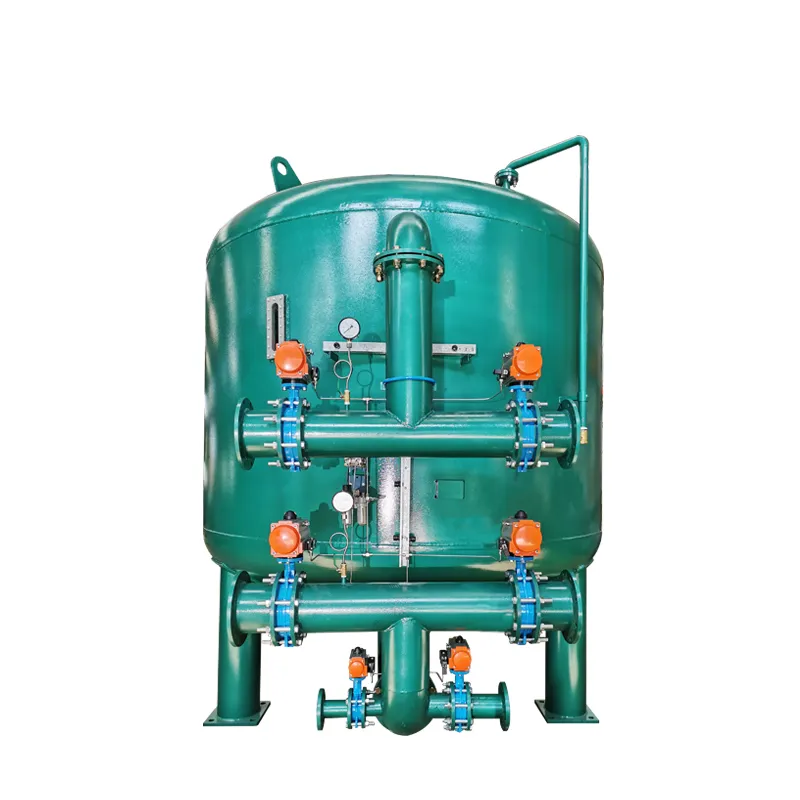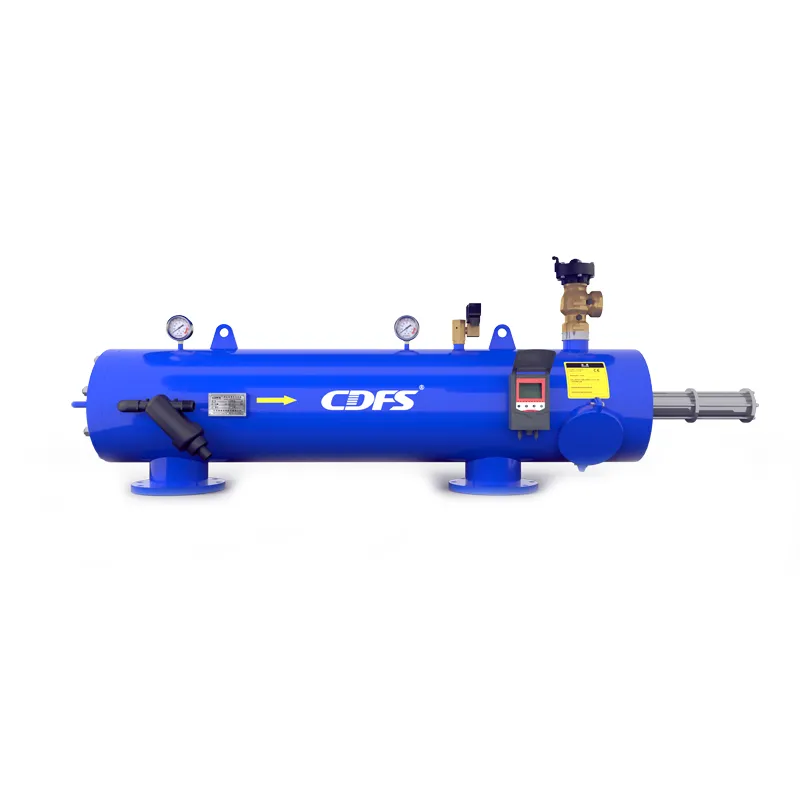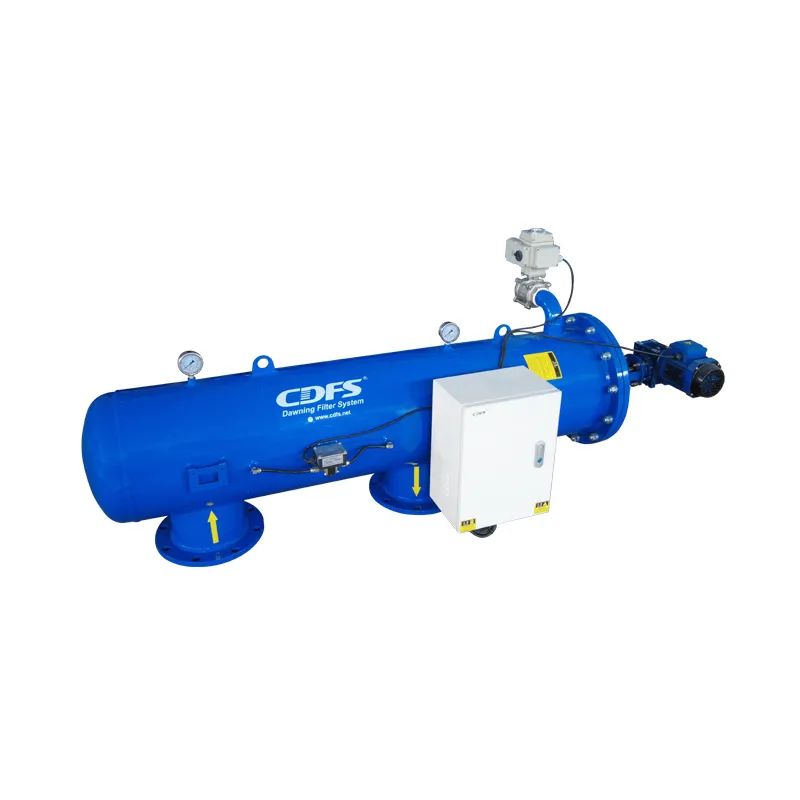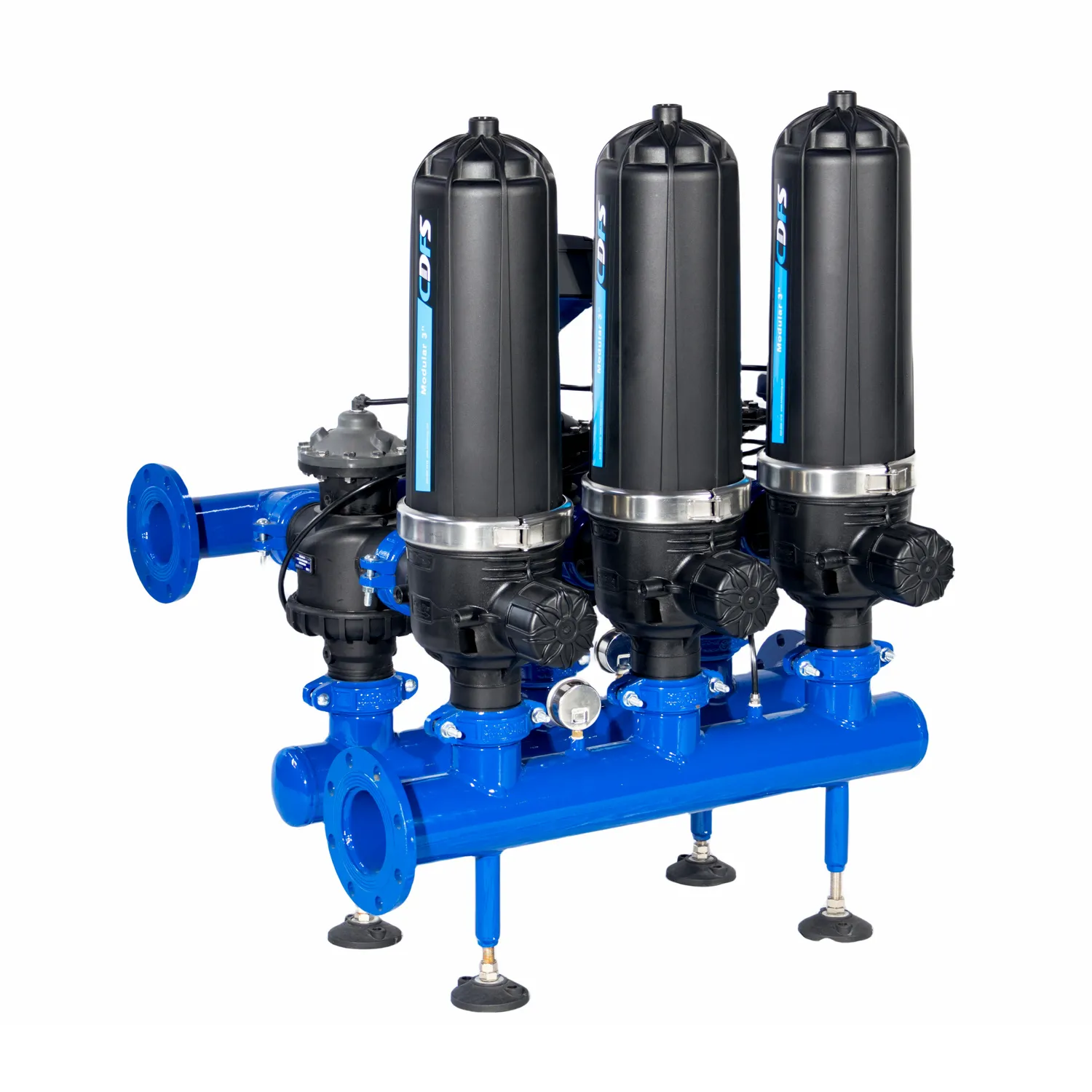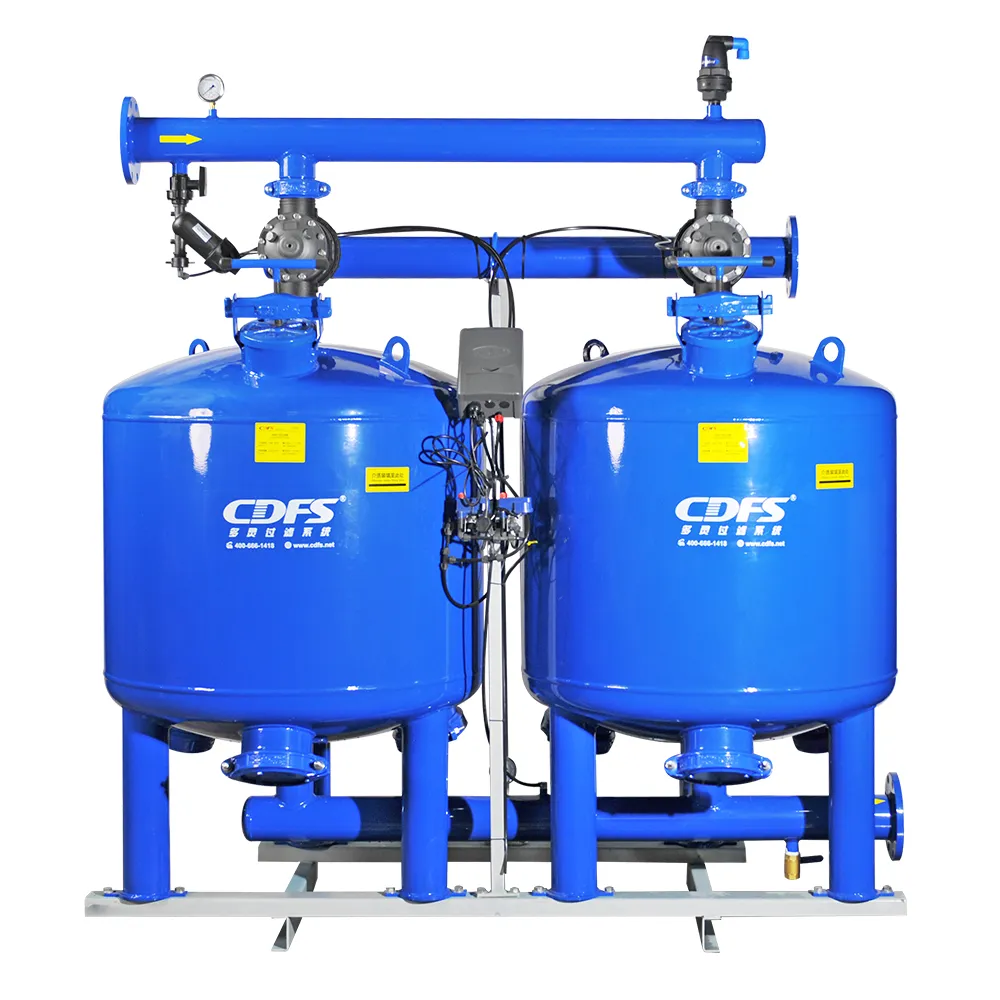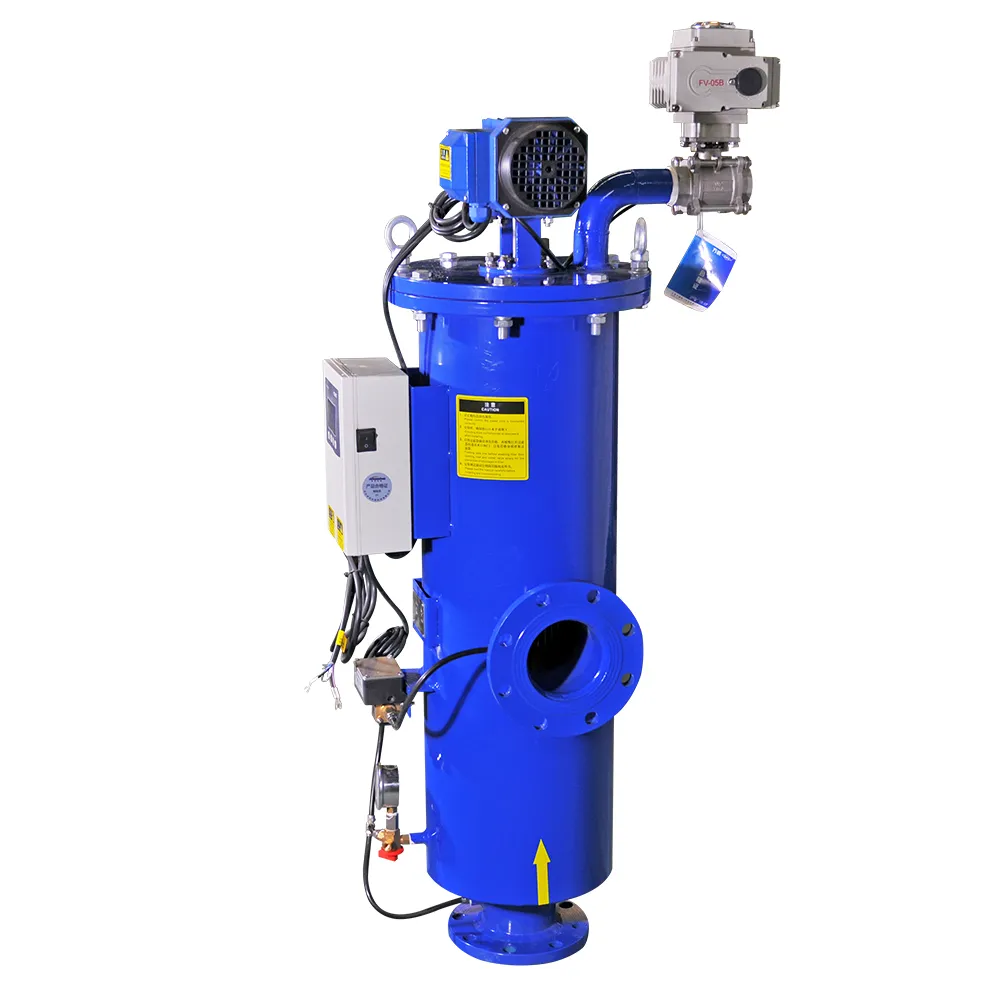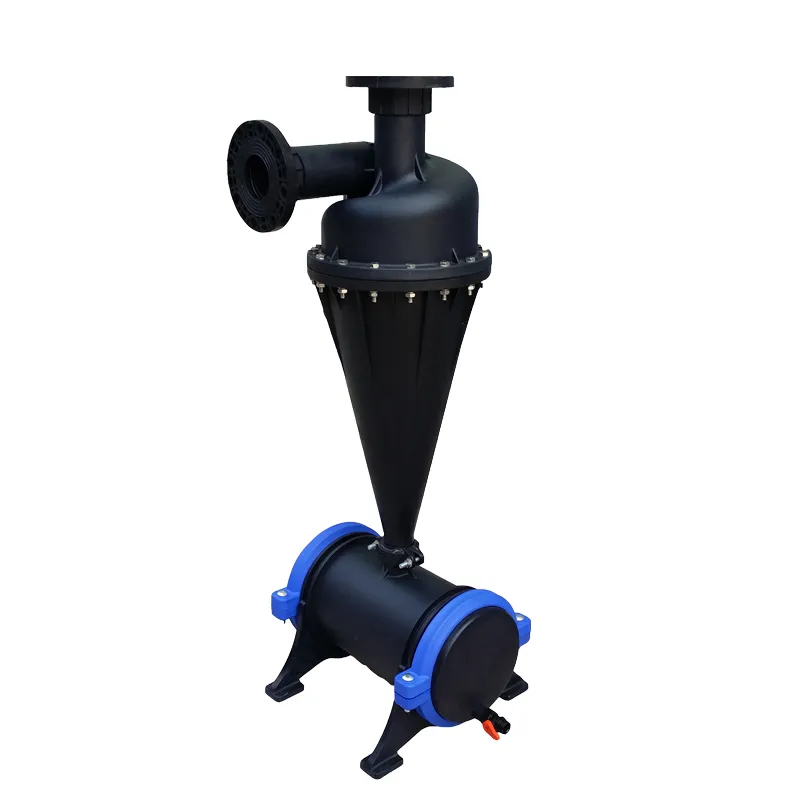
layered sand filtration system are often the first line of defense in complex water treatment trains. By removing bulk contaminants early in the process, they reduce load on downstream components such as UV sterilizers and reverse osmosis units. This layered protection improves overall system performance and reduces total cost of ownership.
In irrigation applications, layered sand filtration system prevent clogging of drip emitters and spray nozzles by removing sediment and organic matter. Their ability to maintain clean water flow ensures uniform distribution and crop health. Sand and multi-media filters are especially valued in agricultural operations where water quality fluctuates due to source variability.
Q: What is the primary function of Media filter? A: Media filter are designed to remove suspended solids, turbidity, and contaminants from water by passing it through layers of granular media such as sand, anthracite, or gravel, providing effective filtration for various applications. Q: In which industries are Media filter most commonly used? A: Media filter are widely employed in municipal water treatment, industrial processes, irrigation systems, and wastewater treatment to ensure water quality and protect downstream equipment. Q: How does the media composition affect the filtration performance of Media filter? A: The type and size of media particles influence filtration efficiency, flow rate, and the filter's ability to trap different sizes of particles, allowing customization for specific water treatment needs. Q: What maintenance is required to keep Media filter functioning optimally? A: Periodic backwashing is essential to remove trapped solids and prevent clogging, along with regular media replacement depending on water quality and operational hours. Q: Can Media filter handle varying water qualities? A: Yes, Media filter can be configured with different media layers and filter depths to adapt to a wide range of water qualities, from relatively clean to heavily contaminated sources.
We use this filter in our HVAC water circulation and it has been very reliable. The stainless steel mesh is durable and prevents clogging, helping maintain stable operation.
Our water quality has improved thanks to this media filter. It removes fine particles and adsorbs contaminants, preventing scaling and protecting pipes.
To protect the privacy of our buyers, only public service email domains like Gmail, Yahoo, and MSN will be displayed. Additionally, only a limited portion of the inquiry content will be shown.
Can your screen filter be used in a vertical setup? Water comes from a pressurized tank.
Interested in a durable irrigation filter that improves water absorption for crops and reduces water...



 EN
EN
 FR
FR
 NL
NL
 RU
RU
 AR
AR
 VI
VI
 LO
LO
 RO
RO
 TH
TH
 MY
MY
 MS
MS
 PT
PT
 ES
ES
 KO
KO
 BE
BE
 JA
JA
 FIL
FIL
 KA
KA
 DE
DE
 IT
IT