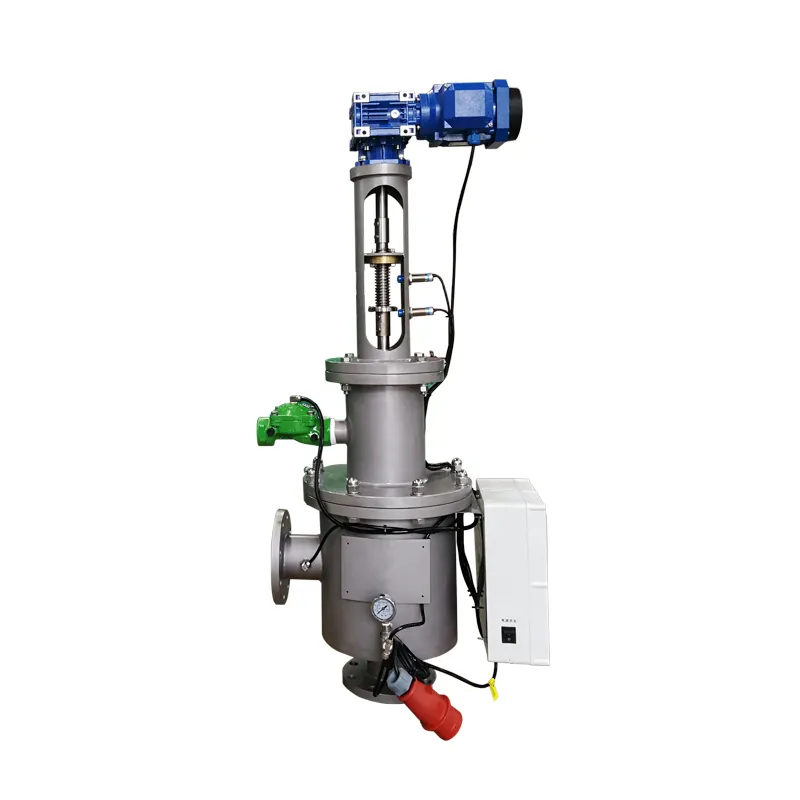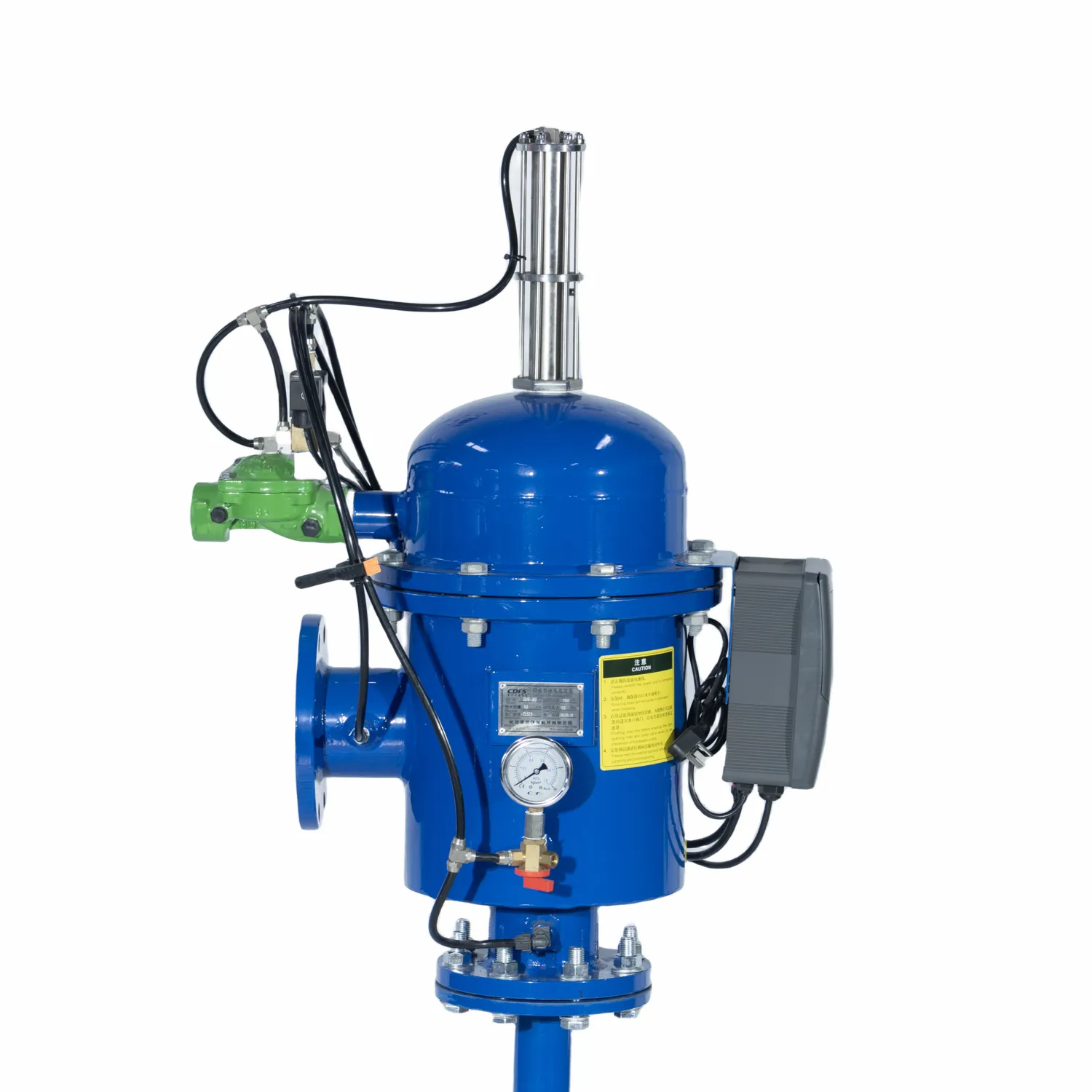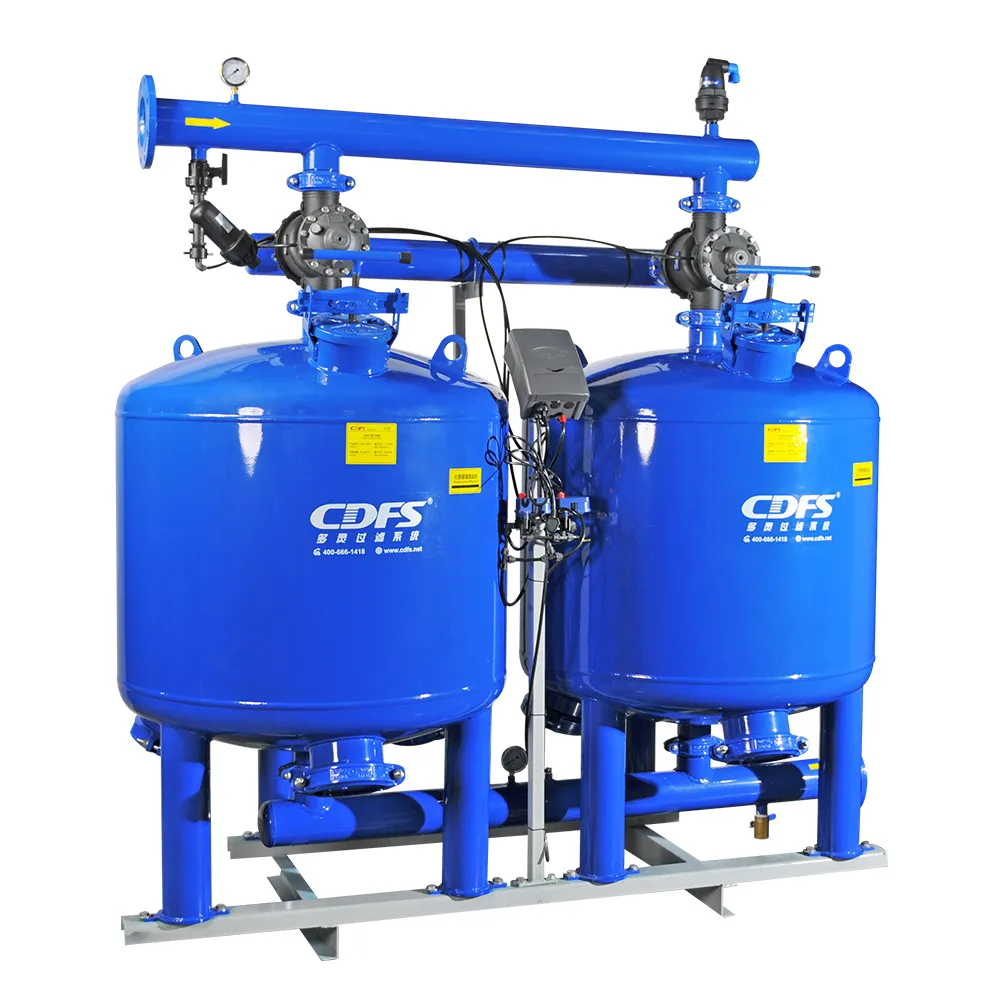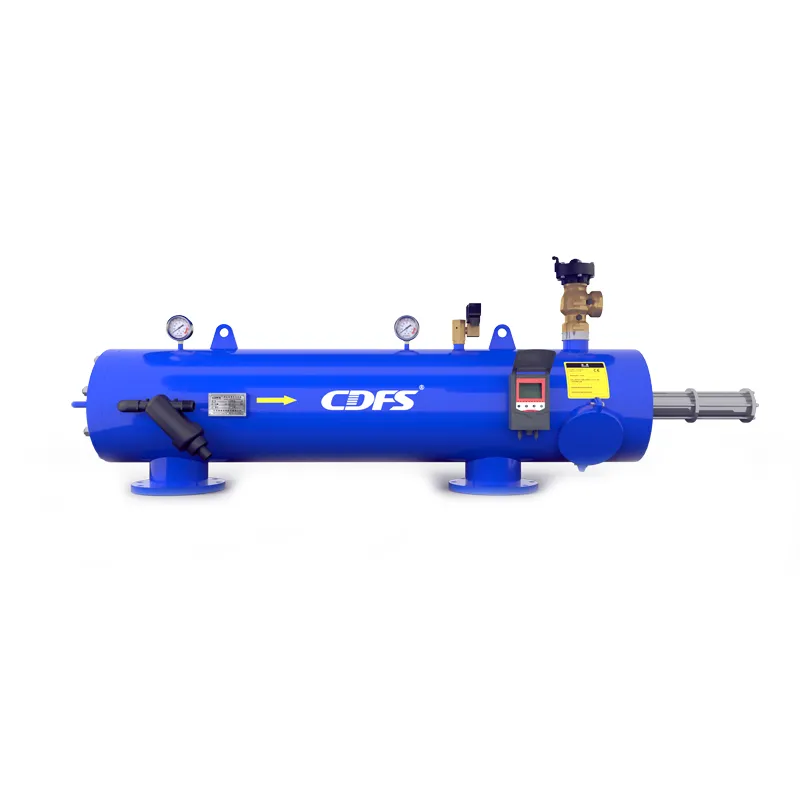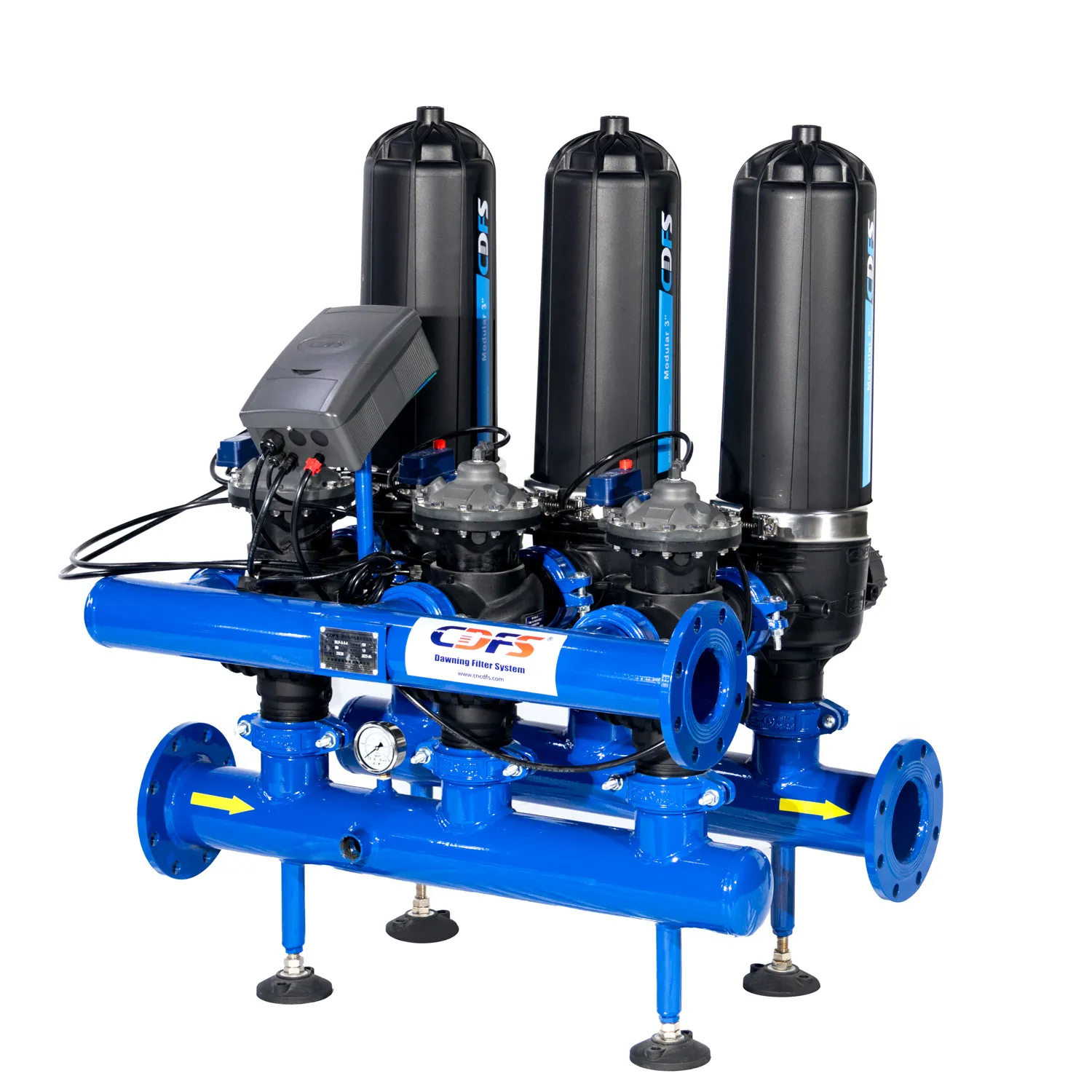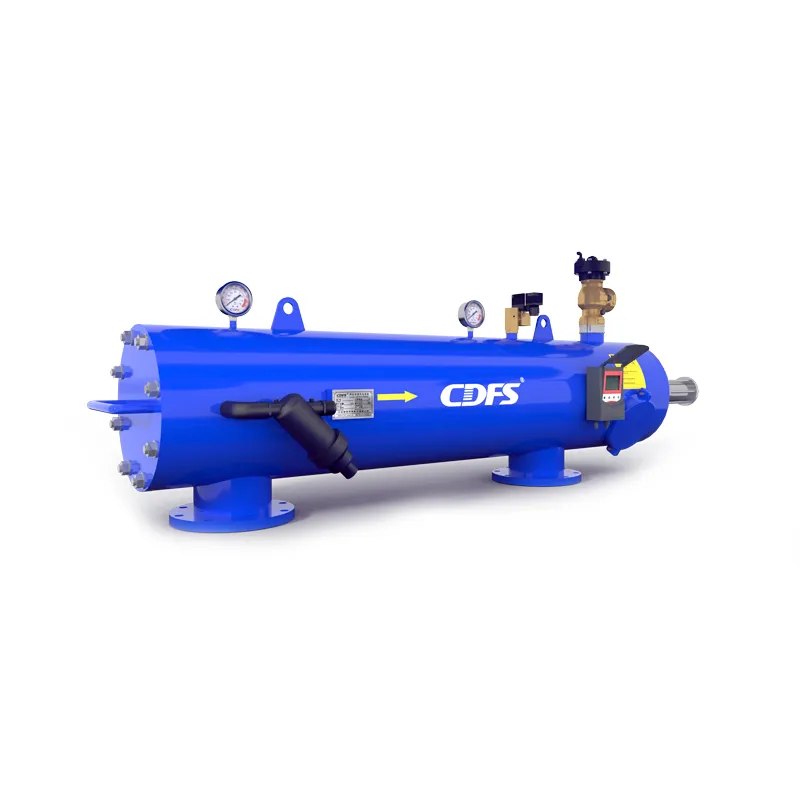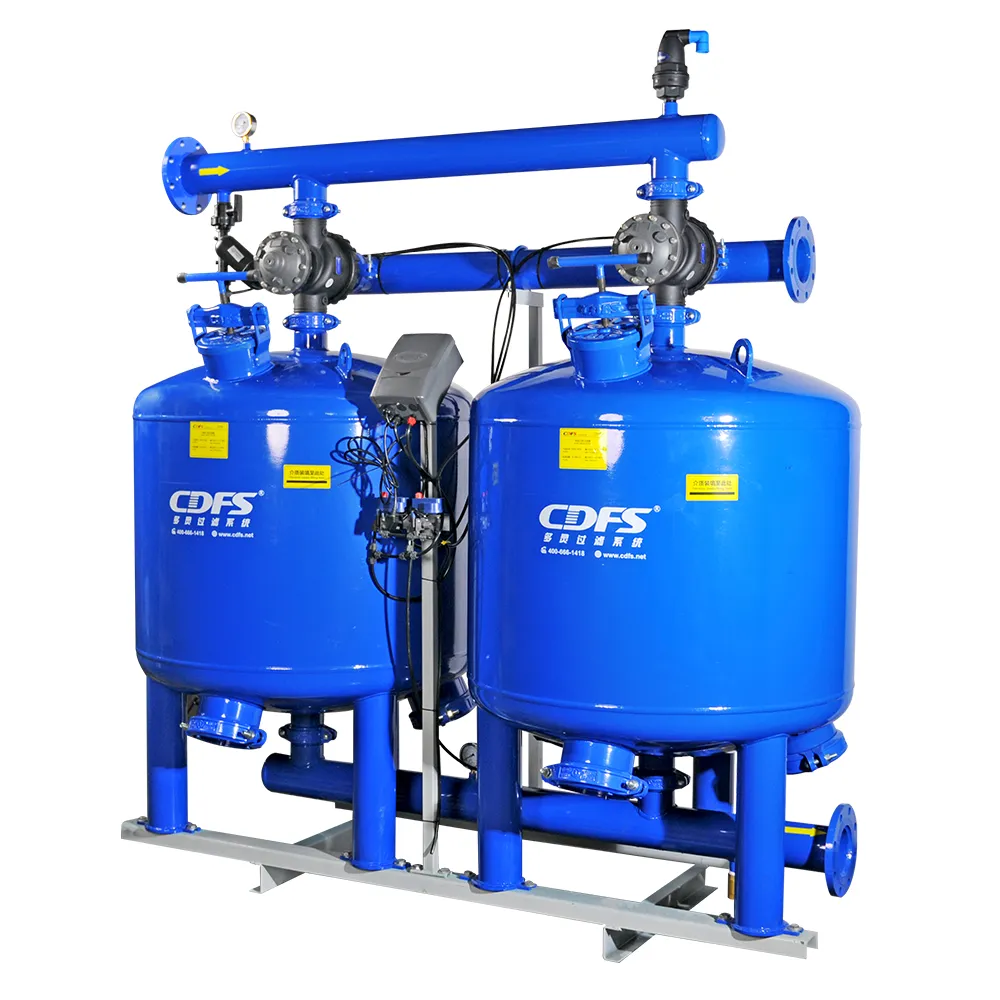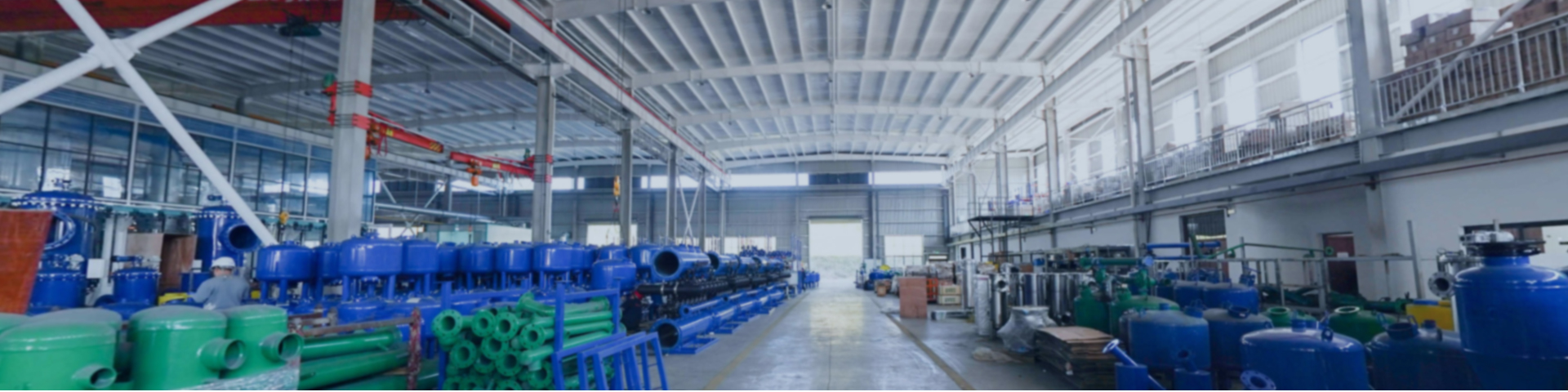
To support a wide range of filtration applications, media filtration system factory often stock and produce multiple configurations of filter sizes, flow capacities, and media types. This ability to handle high mix–low volume or high-volume–standard orders makes them a strategic partner for distributors and integrators alike. Custom branding, labeling, and packaging are also typically available for private label clients seeking market-ready solutions.
media filtration system factory plays a vital role in the infrastructure of clean water supply systems. By ensuring that each media filter is engineered with precision, assembled with care, and tested for performance, the factory contributes directly to the reliability of water purification across industries. Its operations support critical functions in agriculture, municipal supply, and industrial wastewater treatment.
Q: What filtration capacities are typically supported by systems from Media filter factory? A: Media filter factory offer media filters in a wide range of capacities, from compact units for small-scale irrigation to large industrial systems capable of processing thousands of cubic meters of water per hour, depending on the application. Q: How does the layered media bed in filters from Media filter factory enhance performance? A: The multi-layer design used by Media filter factory—often combining coarse and fine media—improves sediment capture efficiency and prevents clogging, allowing for more consistent flow rates and longer operation between backwashing cycles. Q: Are media filters from Media filter factory suitable for high-pressure systems? A: Yes, Media filter factory manufactures filters with reinforced vessels and pressure-rated components that are specifically engineered to perform safely and effectively under high-pressure conditions in industrial applications. Q: What makes Media filter factory media filters ideal for agricultural irrigation systems? A: The filters from Media filter factory are designed to remove suspended particles that could clog drip lines or sprinklers, ensuring even water distribution and protecting crops while operating efficiently in remote or large-scale farm setups. Q: Do media filters from Media filter factory require specialized installation services? A: While installation procedures vary by model, Media filter factory typically designs their filters for straightforward assembly and provides comprehensive technical support to ensure proper integration with existing water treatment infrastructure.
This media filter softens our irrigation water while removing suspended solids effectively. It prevents blockages and scaling, which has improved overall system reliability.
The filter’s performance is very stable under different water qualities. It is simple to install and maintain. Definitely a great choice for industrial water treatment.
To protect the privacy of our buyers, only public service email domains like Gmail, Yahoo, and MSN will be displayed. Additionally, only a limited portion of the inquiry content will be shown.
Requesting quotation for automatic disc filters, 100–300 micron filtration, suitable for industria...
Need fast shipping on 2 units of your automatic screen filter for a trial. What’s your lead time?



 EN
EN
 FR
FR
 NL
NL
 RU
RU
 AR
AR
 VI
VI
 LO
LO
 RO
RO
 TH
TH
 MY
MY
 MS
MS
 PT
PT
 ES
ES
 KO
KO
 BE
BE
 JA
JA
 FIL
FIL
 KA
KA
 DE
DE
 IT
IT